What's the Deal With All the Butterflies on Tucson's Roads?
Have you noticed a ton of butterflies while driving on Oracle Road lately? We have too, so we did some digging. You're not imagining it: they're American Snouts, and this is a big year for them.
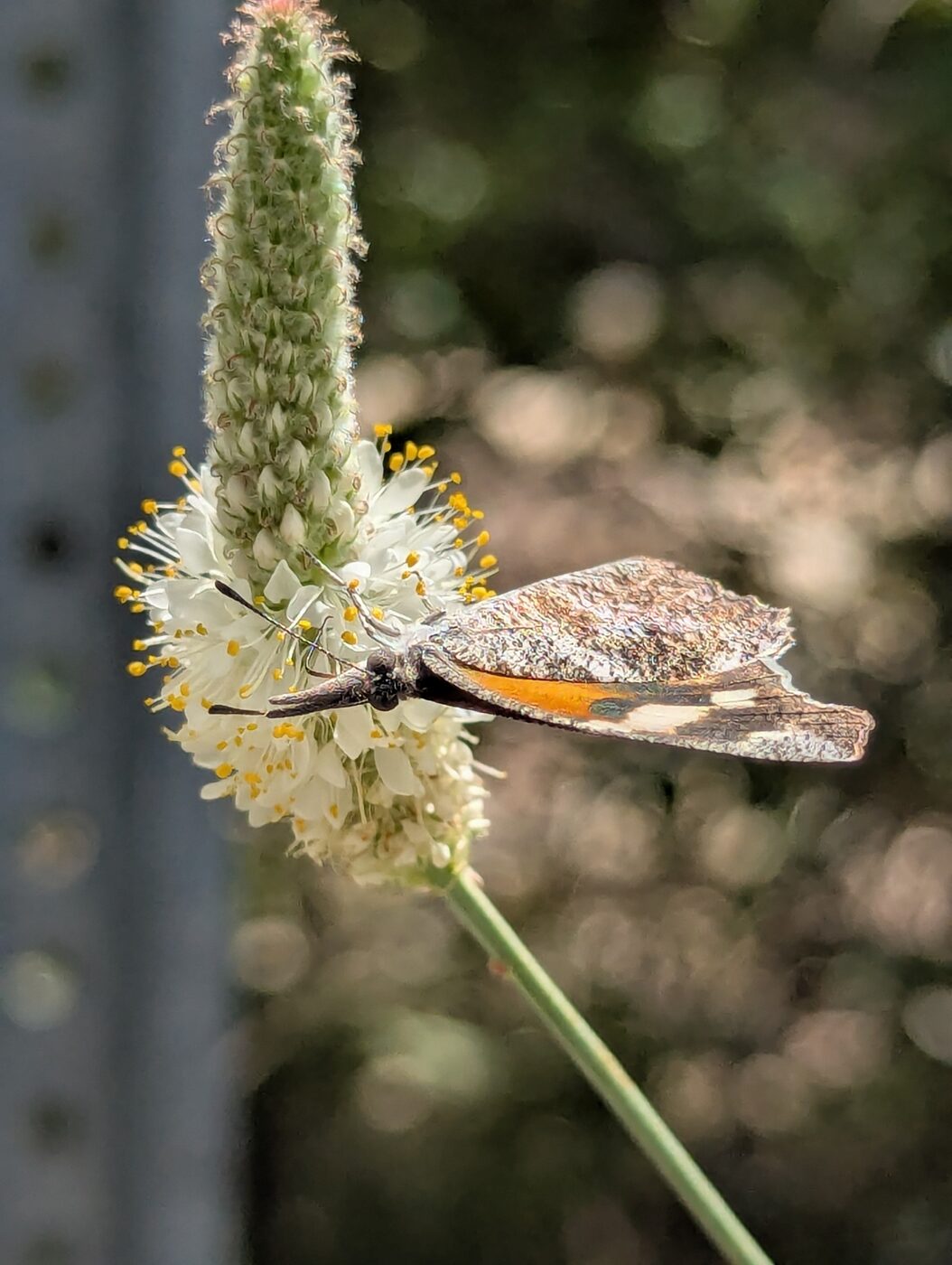
Meet the American Snout
They're small and brown, about an inch and a half across, with a flash of orange on the wings. The giveaway is the "snout," a pair of long mouthparts sticking out in front of the head. With its wings folded, a snout looks like a dead leaf on a stem.
Yes, there really are a lot of them
People all over Pima County have been posting photos of them to iNaturalist. In August, snouts made up 15.5 percent of every butterfly reported in the county, more than in any August in the app's records. From a Marana garden: "thousands of these." From Rita Ranch: "Swarms of these all over." From the east side: "Full migration!"
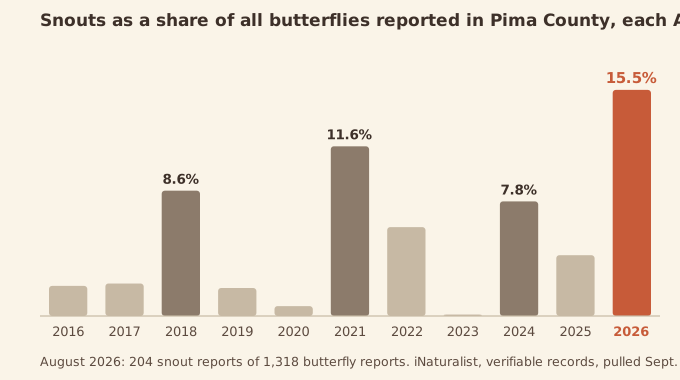
Katy Prudic, a University of Arizona entomologist who studies butterflies, calls 2026 "a good year," better than the last couple.
Why this year
Blame the monsoon. July was dry, the 8th-driest on record at the airport, and then August was soaking wet. Dry spells knock back the tiny wasps that prey on snout caterpillars. Then the rain makes desert hackberry, the thorny shrub the caterpillars eat, put out fresh leaves. More caterpillars survive, and a few weeks later snouts are everywhere.
How wet did it get where you live? Pima County's rain gauges tell the story neighborhood by neighborhood. Here's what a dozen of them measured from Aug. 10 to Sept. 9, the stretch when snout sightings peaked:
| Where | Gauge | Inches |
|---|---|---|
| Downtown | Public Works Building, Downtown | 2.68 |
| Oro Valley | Oro Valley Public Works | 2.44 |
| Rancho Vistoso | Rancho Vistoso | 2.60 |
| Marana | Continental Reserve, Marana | 2.09 |
| Catalina Foothills | Ventana Canyon Wash at Sunrise Drive | 2.68 |
| Sabino Canyon | Sabino Creek at USFS Dam | 2.48 |
| East side | Rosewood St near Harrison Rd | 0.75 |
| Rita Ranch | Rita Ranch | 1.34 |
| Corona de Tucson | Corona de Tucson | 0.94 |
| Picture Rocks | Picture Rocks Community Center | 3.70 |
| Green Valley | Santa Cruz River at Continental Road | 1.10 |
| Mt. Lemmon | Mt. Lemmon | 5.39 |
The rain was patchy, as monsoon rain usually is. Picture Rocks got nearly five times what the east side got, and Mt. Lemmon topped them all.
Why they're always in front of your car
"Once caterpillars defoliate their natal hackberry trees, the newly emerged adults take flight en masse to disperse," Prudic said. They fly "in erratic, low-flying clouds, usually just a few feet off the ground, which puts them directly at windshield level."
That explains your windshield, too. "They also leave a yellow smudge on your windshield when they are hit," she said.
The good news for your car: sightings peaked in late August, and Prudic expects the flight to "go on for a few more weeks, but not much longer."
Tucson has seen this before
Snout years come and go. Pima County had big ones in 2018, 2021 and 2024. But this year has nothing on Aug. 9, 1966. According to William Howe's 1975 reference book The Butterflies of North America, snouts over Tucson that day were so thick "that they obscured the sun" and "it was necessary to turn on the street lights!"
Were you here for that one? We'd love to hear about it.
How we did this: the butterfly figure is snout reports divided by all butterfly reports on iNaturalist in Pima County (verifiable observations, pulled Sept. 23; August 2026 was 204 of 1,318, from 121 people). Using a share instead of a raw count corrects for the app gaining users every year. Monthly rain figures come from NOAA's daily record for Tucson International Airport. Neighborhood totals come from the Pima County Regional Flood Control District's ALERT gauges. We archive both for our Life in the Desert page, and our gauge archive begins Sept. 9, so its first 30-day reading is the earliest we can show. Prudic answered our questions in writing. The 1966 account is Howe's, as quoted in a research summary by Texas entomologist Mike Quinn.
Reported and written by Nicholas De Leon, with research and drafting assistance from Claude Opus 5.5; published at 9:39 AM MST on September 23, 2026. Read more about how this is made.
Comments
Join the conversation on Bluesky